


Property for sale in Turkey 🇹🇷
Directly from construction companies without paying additional fees.
We are ready to assist you in fulfilling your dream of owning property in Turkey. Besides, our legal team will help you in every step.
Which City Do You Prefer to Choose for Buying Property in TURKEY?
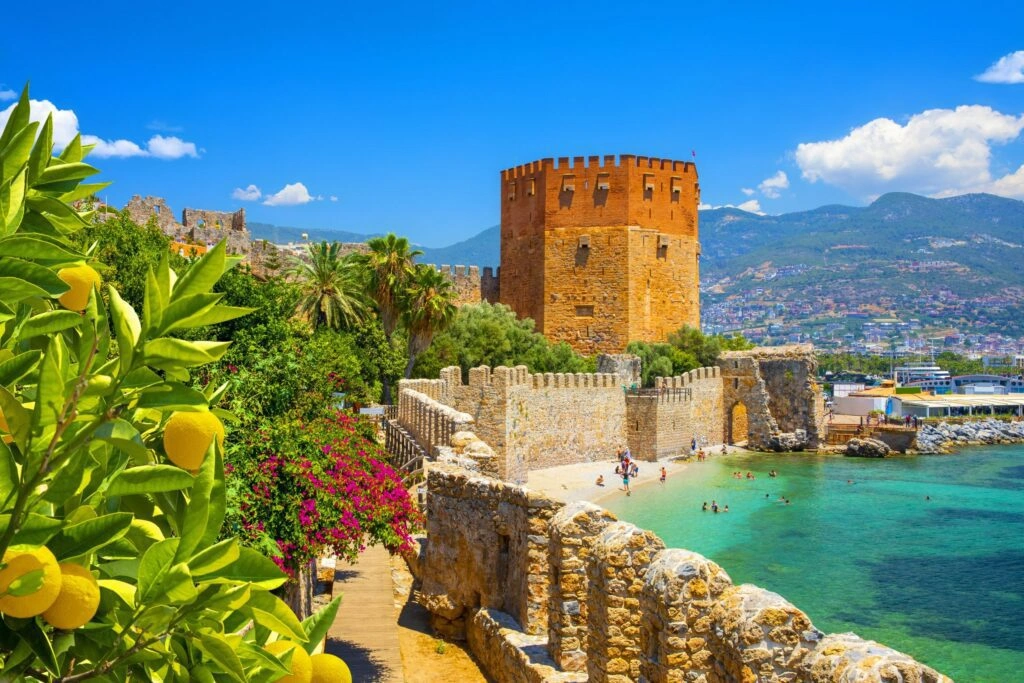
An investment city for those who are looking for a European city for the peace and security of their family...

A suitable city for studying and doing various businesses and guaranteeing the future of your children in the best international schools.
Apartments for Sale in Turkey

1 to 2 bed apartments in Istanbul No: 1021
start from €480,000
View Details
2 to 3 bed apartments in Istanbul No: 1020
start from €155,000
View Details


2 to 3 bed apartments in Istanbul No: 1016
start from €385,000
View Details
3 to 5 bed apartments in Istanbul No: 1013
start from €1,510,000
View Details

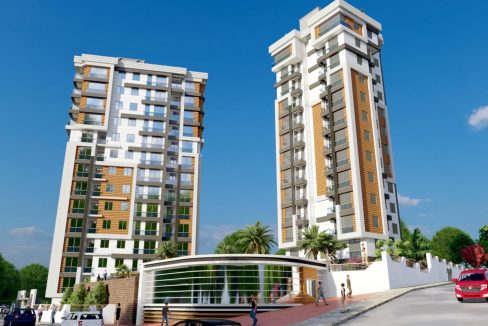

1 to 2 bed apartments in Istanbul No: 1026
start from €495,000
View Details



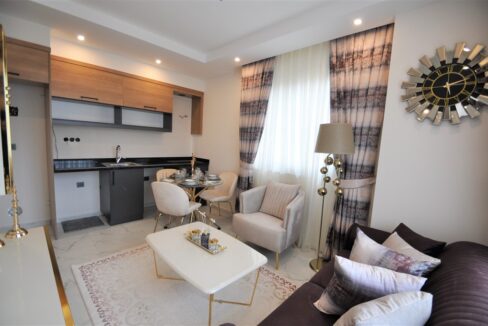
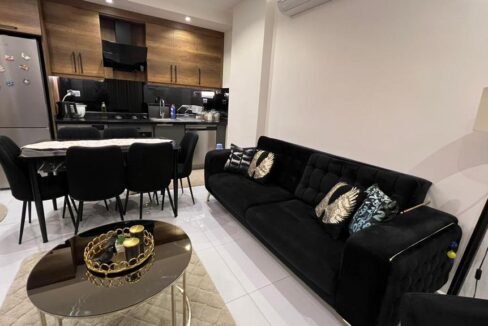
Why Buy Property in Turkey in 2026?
If you are looking for a property for sale in Turkey, it is essential to know why this market remains a top choice for global investors. In recent years, real estate investment in Turkey has become an exceptionally attractive option due to its strategic location, breathtaking scenery, and modern infrastructure.
One of the primary reasons to buy property in Turkey in 2026 is the perfect balance between affordable prices and high ROI (return on investment). Whether you want to buy a house in Turkey for personal use or a luxury apartment in Turkey for rental income, the market offers diverse opportunities. With a stabilized economy and a high potential for capital appreciation, especially in new-build projects, Turkish real estate investment continues to outperform many European markets, providing a safe and profitable haven for your capital.
Buying Property in Turkey as a Foreigner: Steps & Regulations
Apartments for sale in Turkey are widely diverse, ranging from affordable apartments in emerging districts to luxurious penthouses in heart of the cities. Property prices in Turkey depend on various factors such as location, size, amenities, and the official valuation report (Expertiz), which is mandatory for all foreign buyers in 2026.
Investing in real estate Turkey for sale is considered a highly profitable move. Due to the thriving tourism industry and the constant demand for housing, the ROI on real estate in Turkey is among the highest in the region, ensuring that the value of your investment grows steadily over time.
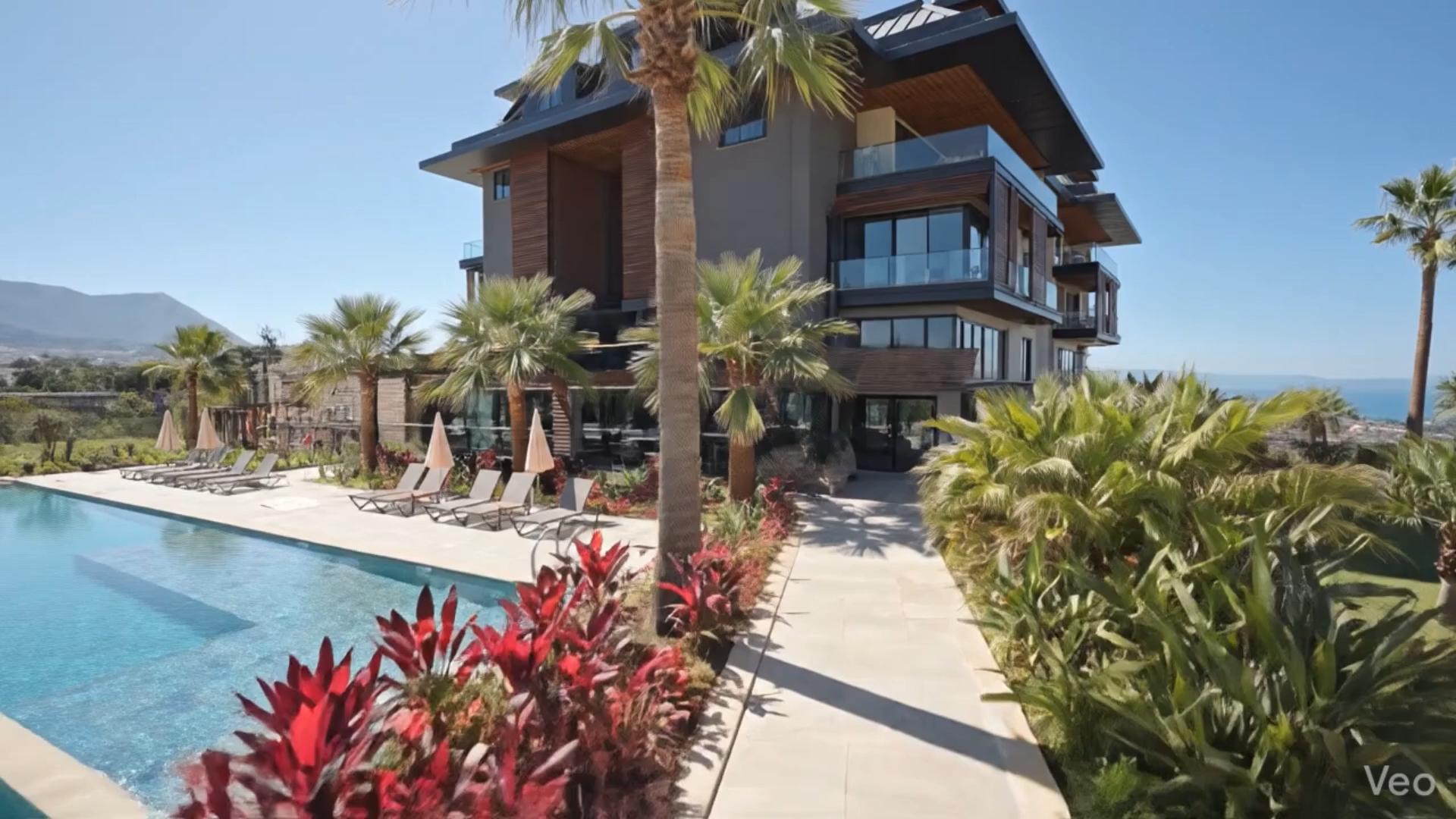
Legal Requirements to Buy Property in Turkey
Can foreigners buy property in Turkey? The answer is a definitive yes. Since the regulations were updated, the process of buying property in Turkey as a foreigner has been streamlined. However, there are key legal points to consider in 2026:
Investment Thresholds: To qualify for Turkish residency, the property value must be at least $200,000. For those seeking obtaining Turkish citizenship through real estate, the minimum investment remains $400,000.
Location Restrictions: Foreigners can purchase land and houses in their own names, provided the property is not located in military forbidden zones or certain rural/security areas.
Zoning Compliance: The property must be within the boundaries of a municipality and have a clean title deed (Tapu).
Banking & Currency: All transactions must be cleared through Turkish banks, and a Foreign Exchange Purchase Certificate (DAB) is required to prove the funds entered the country legally.
If you are looking for the best entry points, you should explore options, or check , as these cities offer the most robust legal support and infrastructure for international buyers.

The "Previous Owner" Rule (Important for Citizenship)
According to the Land Registry Regulations, if your goal is Turkish Citizenship by investment, the property you purchase must meet the following criteria:
Seller Nationality: To qualify for citizenship, the property must be purchased from a Turkish citizen or a Turkish company.
The “Foreigner-to-Foreigner” Restriction: A property that has been used by a foreigner to obtain citizenship cannot be sold to another foreigner for the same purpose. This ensures that each investment brings fresh capital into the Turkish economy.
The 2018 Milestone: While your text mentions January 10, 2018, it is important to note that for citizenship applications in 2026, the property must not have been involved in any previous citizenship process by another foreign investor.
Buying for Investment or Residency
residency, you have more flexibility. You can buy an apartment in Turkey from a foreign seller, provided the property is located in an “Open Area” (districts where the foreign population hasn’t exceeded the 10% quota).
However, we always recommend conducting a full “Due Diligence” to check the title deed (Tapu) for any hidden debts or restrictions.
Cost of Buying Property in Turkey: Financial Transfer & DAB Certificate
One of the most important steps in the legal process of buying property in Turkey is the secure transfer of funds. To buy an apartment in Turkey as a foreigner, you must follow a specific financial protocol established by the Central Bank of the Republic of Turkey (CBRT).
Step 1: Obtaining a Tax Number & Opening a Bank Account
Before any transaction, you must obtain a Turkish Tax Identification Number (Vergi Numarası). This is a simple process that can be done at any local tax office or online. Once you have this number, you can open a bank account in Turkey, which is essential for documenting your Turkish real estate investment.
Step 2: The Foreign Exchange Purchase Certificate (DAB)
According to the regulations updated for 2026, all foreign property buyers must obtain a Foreign Exchange Purchase Certificate (Döviz Alım Belgesi – DAB).
The Process: You must transfer your foreign currency (USD, EUR, or GBP) to a Turkish bank. The bank then sells this currency to the Central Bank, which in turn issues the DAB certificate.
Why it’s mandatory: This document proves that the funds for your property for sale in Turkey entered the country through legal banking channels. The Land Registry Office (Tapu) will not finalize the title deed transfer without this certificate.
Important Note: The amount declared on the DAB must match the sale price stated on the Title Deed to avoid any legal issues during future residency or citizenship applications.
Step 3: Taxes and Final Remittance
When calculating the cost of buying property in Turkey, remember to include the 4% Title Deed Transfer Fee (Tapu Harcı) and the mandatory earthquake insurance (DASK). Once the DAB is issued and the taxes when buying property in Turkey are paid, the bank will finalize the remittance to the seller, and the Land Registry will complete the transfer of ownership to your name.
Important Regulations & Restrictions for 2026
When looking for property for sale in Turkey, being aware of the legal boundaries ensures a smooth and secure transaction. Here are the key additional points every foreign buyer must consider:
1. Minimum Investment Thresholds
While there is no general minimum price to simply buy a house in Turkey, your goals (Residency or Citizenship) will dictate your budget:
Turkish Citizenship: To qualify for the citizenship-by-investment program in 2026, the minimum investment is $400,000. You must also commit to holding the property for at least 3 years.
Turkish Residency: If your goal is a residence permit (Ikamet), the property value must be at least $200,000.
Pure Investment: If you do not require a permit, you can buy an apartment in Turkey at any price point that fits your budget.
2. Size and Location Restrictions
The Turkish government has set specific limits to regulate Turkish real estate investment by foreign nationals:
Land Size Limit: A foreign individual can own a maximum of 30 hectares (300,000 square meters) of property across Turkey. In special cases, the Council of Ministers may increase this limit, but 30 hectares is the standard legal cap.
District Quota: Foreigners cannot own more than 10% of the total private land area in any given district.
Forbidden Zones: It is strictly prohibited for foreigners to purchase or rent properties located within Military Forbidden Zones or Security Zones. We recommend checking the “Tapu” (Title Deed) status during the due diligence process.
3. Professional Legal Assistance
The legal process of buying property in Turkey is straightforward, but it involves technical steps like the Foreign Exchange Certificate (DAB) and official valuation reports. To protect your investment, it is highly advisable to seek legal assistance from a qualified professional or a reputable real estate consultant. This ensures all taxes when buying property in Turkey are paid correctly and your title deed is registered without encumbrances.
Property Prices in Turkey: Statistics & Affordable Cities
| Total amount of sold units in Turkey | 8.2 Million |
| Total amount of sold units to foreigners in Turkey | 218.403 |
To make a smart Turkish real estate investment, it is essential to look at the historical data and current market trends. The period between 2016 and 2025 has seen significant fluctuations, yet the market reached a historic peak in 2025.
Where to Find Cheap Property in Turkey?
If you are looking for affordable apartments in Turkey, the prices vary significantly depending on the province, district, and building age. While the average property price in Turkey has stabilized in dollar terms during early 2026, you can still find budget-friendly options by looking at emerging districts.
Istanbul (Esenyurt & Beylikdüzü): Even in the biggest metropolis, these outskirts districts offer cheap property in Turkey compared to the city center, with high potential for long-term ROI.
Ankara: As the capital, Ankara provides more stable and affordable prices than Istanbul, making it ideal for those seeking a lower entry barrier for investment.
Alanya: This Mediterranean city is currently a “hotspot” for affordable apartments in Turkey. It offers a coastal lifestyle similar to Antalya but at a fraction of the cost.
Bursa: Known for its industrial and natural beauty, Bursa remains a top choice for buyers looking for cheap houses in Turkey with modern amenities.
Note: When searching for “cheap” options, always ensure the property is not in a restricted zone and has a valid valuation report to avoid legal hurdles during your real estate investment in Turkey.

Individual vs. Company Seller: Understanding the Tax Implications
When browsing for property for sale in Turkey, it is crucial to identify whether the seller is a private individual or a corporate entity (such as a developer). This distinction directly affects your taxes when buying property in Turkey and the potential for future resale profits.
Buying from an Individual Seller
Purchasing from an individual is a common route for resale properties.
Capital Gains Tax (CGT): If an individual sells a property within 5 years of purchase, they must pay a progressive tax (15% to 40%) on the profit (the difference between the buying and selling price).
The 5-Year Rule: If the seller has owned the property for more than 5 years, they are 100% exempt from capital gains tax.
VAT (KDV): Most sales between individuals are exempt from VAT, which can save you significant upfront costs.
Buying from a Company (Developer)
Buying a new-build apartment in Turkey directly from a company has different tax structures:
Corporate Income Tax: Companies pay a flat rate of 25% on their profits from real estate sales in 2026. Unlike individuals, there is no “5-year exemption” for companies.
VAT (Value Added Tax): This is the most important factor. Sales from companies usually include VAT, which ranges from 1% to 20% depending on the property type and size.
VAT Exemption for Foreigners: In 2026, foreign buyers can still apply for a VAT exemption on their first purchase from a developer, provided the payment is made in foreign currency from abroad and the property is not sold for at least 3 years (updated from the previous 1-year rule).
Pro Tip: If you are a first-time foreign buyer, buying from a company might actually be cheaper if you qualify for the VAT Exemption, effectively saving you up to 20% on the list price.
Buy Property in Turkey in Installments: Financing for Foreigners
For many international investors, paying the full amount upfront isn’t always the preferred strategy. The good news is that you can buy property in Turkey in installments through two main channels: bank mortgages or direct developer financing. This is because banks or financial institutions in Turkey typically do not provide loans to foreign individuals. As a buyer, you should seek out construction companies that offer mortgage financing.
With an initial payment of usually over 50% of the property price and bank guarantees, the remaining amount is paid in installments over time, typically aligned with the project’s progress. This enables foreigners to purchase property in installments.
1. Developer Financing (The Most Popular Option)
Most foreign buyers prefer to buy an apartment in Turkey directly from construction companies. This is often the most “convenient approach” because it bypasses the complex paperwork of traditional banks.
Interest-Free Plans: Many developers offer 0% interest installment plans for projects under construction.
Down Payment: Typically, an initial payment of 30% to 50% is required.
Flexible Terms: The remaining balance is paid in monthly or quarterly installments over 12 to 60 months, usually until the project is completed.
No Income Verification: Unlike banks, developers rarely require international credit scores or proof of income, making it a seamless process for foreigners.
2. Bank Mortgages for Foreigners in 2026
While your original text mentioned that banks typically do not provide loans, several Turkish banks (such as Ziraat Bank, Garanti BBVA, and İşbank) actually have specific mortgage Turkey for sale packages for foreign nationals. However, consider these points:
Loan-to-Value (LTV): Banks usually only finance up to 50% of the property’s appraised value for foreigners.
Requirements: You will need a Turkish residence permit (in some cases), a Turkish tax number, and notarized proof of income from your home country.
Interest Rates: Bank interest rates for foreigners can be higher than those for local citizens, which is why interest-free developer plans remain the top choice for real estate investment in Turkey.

Top Mistakes to Avoid When Buying Property for Sale in Turkey
While real estate investment in Turkey offers high potential, many foreign buyers fall into avoidable traps. To ensure your legal process of buying property in Turkey is secure, avoid these common pitfalls:
1. Not Using a Licensed Agent or Qualified Lawyer
This is the biggest risk. Turkish property laws can be complex for foreigners.
The Fix: Always work with a licensed real estate agency and an independent, English-speaking lawyer. They will ensure that your Turkish real estate investment is protected from fraudulent schemes and that all contracts are legally binding.
2. Skipping Title Deed (Tapu) and “Iskan” Checks
Checking the Tapu is not enough; you must also check for the Iskan (Habitation Certificate).
The Risk: A property without an Iskan may have been built against zoning laws, leading to massive fines or inability to get utility connections.
The Fix: Your lawyer must verify that there are no unpaid mortgages (Ipoteek), legal disputes, or tax liens on the property before you sign the Foreign Exchange Purchase Certificate (DAB).
3. Buying Without a Professional Valuation (Expertiz)
In 2026, a professional valuation report is mandatory for all foreigners.
The Risk: Some buyers rely on photos or the seller’s word.
The Fix: Never buy a house in Turkey without a physical inspection and an official Expertiz report. This report determines the real market value, which is crucial for both your insurance and your Turkish citizenship or residency application.
4. Underestimating Ongoing Costs and Taxes
Many buyers focus only on the average property price in Turkey and forget the “hidden” costs.
Ongoing Expenses: You must account for the annual property tax (Emlak Vergisi), DASK (Earthquake Insurance), and Aidat (Monthly maintenance fees for complexes).
Setup Costs: Budget for taxes when buying property in Turkey (4% Title Deed fee) and utility connection fees (water, electricity, gas).
5. Ignoring Location and Resale Potential
A beautiful villa in a remote area might be hard to sell later.
The Fix: If you want a high ROI in real estate Turkey, prioritize location. Ensure the property is near public transport, hospitals, and shopping centers. If you are looking for long-term growth, focus on cities with high demand like Istanbul, Antalya, or Alanya.
Key Advantages for Investors
The surge in demand for homes for sale in Turkey is no coincidence. Whether you are looking for a permanent residence or a high-yield investment, the Turkish market offers unique benefits that are hard to find in Europe or neighboring regions.
1. Affordable Property Prices in Turkey
Compared to European markets, property prices in Turkey remain highly competitive. You can still purchase a modern apartment in Turkey with sea views for a fraction of the cost of a similar unit in Spain or Greece. This affordability allows investors to diversify their portfolios without overextending their budgets.
2. Strategic Global Location
Turkey serves as a bridge between Europe and Asia. For international business people, having a base here means easy access to global markets. This strategic location also boosts the value of Turkish real estate investment, as the country remains a hub for trade and tourism.
3. Stunning Landscapes & Diverse Lifestyle
From the turquoise waters of the Mediterranean to the bustling historic streets of Istanbul, the variety of Turkish houses for sale is unmatched. Buyers can choose between modern penthouses in metropolitan areas or traditional villas in serene coastal towns, most of which offer breathtaking natural views.
4. High ROI and Rental Potential
The booming tourism industry ensures a constant demand for short-term rentals. If you buy a house in Turkey, you aren’t just buying brick and mortar; you are securing an asset with high ROI (Return on Investment). The growing local population further ensures that the value of real estate continues to appreciate steadily.
5. Residency and Documentation Flexibility
As noted by official sources like Gocislemleri, the legal process of buying property in Turkey is closely tied to your residency goals.
“The requested documents for residency vary depending on the type—whether it is short-term, long-term, student, or family residency.” This flexibility means that whether you are a retiree, a student, or an investor, there is a legal path tailored to your needs. In 2026, purchasing a property for sale in Turkey worth $200,000 or more remains the most direct route to securing a stable future for your family through Turkish residency.

Real Estate Investment Turkey: Key Points to Consider
Success in Turkish real estate investment depends on more than just finding a beautiful building. To ensure you get the best ROI (Return on Investment) and a smooth ownership experience, keep these five pillars in mind:
1. Location and Neighborhood Dynamics
The “Location, Location, Location” rule is paramount. Before you decide, research the infrastructure of the area. The best places to buy property in Turkey for capital appreciation are often those near planned metro lines, new bridges, or business hubs.
Tip: Check the local “Belediye” (Municipality) plans for future developments that could increase your property’s value.
2. Comprehensive Research on Costs
The cost of buying property in Turkey goes beyond the sticker price.
Comparative Analysis: Research the prices of similar units in the same district to ensure you are paying the fair market value.
Budget for Extras: Remember to factor in the 4% title deed fee, lawyer fees, and the mandatory Expertiz (valuation report) costs.
3. Reviewing Amenities and Lifestyle
Different projects offer different facilities. Whether you want to buy an apartment in Turkey cheap or invest in a luxury residence, look for amenities that add long-term value:
Security: 24/7 surveillance and gated entries.
Facilities: Gyms, saunas, and green spaces are highly valued by renters, boosting your potential rental income.
4. Vetting the Construction Company
If you are investing in “Off-plan” or “Under-construction” projects, the developer’s reputation is your biggest insurance.
Track Record: Look at their completed projects. Are they delivered on time? Is the finishing quality high?
Financial Stability: Ensure the company has the necessary bank guarantees and government permits to finish the project.
5. Mastering the Legal Procedures
The legal process of buying property in Turkey is efficient but strict.
Due Diligence: Never proceed without a professional title deed search.
Professional Help: Getting help from a trusted, independent lawyer is the best way to navigate the requirements to buy property in Turkey without facing future legal disputes.
Life After Buying an Apartment in Turkey: Management & Lifestyle
Purchasing your property is just the beginning. To ensure a “pleasant and profitable experience,” you must manage your investment and understand the local lifestyle in 2026.
1. Title Deed (Tapu) and Property Registration
Once the transaction is complete, the Land Registry Office (Tapu ve Kadastro) issues your official title deed. In 2026, most of these processes are digitized, allowing you to track your ownership through the Web-Tapu system.
2. Property Management and "Aidat"
If you buy an apartment in Turkey within a residential complex (Site), you are part of a community.
Maintenance Fees (Aidat): You are required to pay a monthly fee for security, pool maintenance, and cleaning. Late payments can lead to legal interest charges, so staying updated is vital.
Rental Management: If you intend to earn ROI on real estate in Turkey, you can manage rentals through professional agencies or online platforms. Note that for short-term rentals (like Airbnb), new 2026 regulations require a specific license from the Ministry of Culture and Tourism.
3. Cost of Living and Infrastructure (2026 Update)
The cost of living in Turkey is significantly lower than in other European countries.
Affordable Living: While prices have adjusted, the cost of buying property in Turkey combined with low monthly expenses (utilities, groceries, and services) remains highly attractive for expats.
Advanced Healthcare: Turkey has become a global leader in medical tourism. As a resident, you have access to world-class private hospitals with English-speaking staff at very reasonable prices.
Transportation: The 2026 infrastructure plan has expanded high-speed rail and urban metro networks in cities like Istanbul, Ankara, and Izmir, making commuting efficient and modern.

Best Cities to Buy Property in Turkey (2026 Guide)
Where is best city to live in Turkey ? If you are still deciding where to start your journey, here are the top-performing locations based on investment potential and lifestyle:
Istanbul: The heart of the country. If you want to or are looking for a luxury lifestyle, you should explore options to in districts like Sariyer or Beykoz.
Alanya: Perfect for sun-seekers and those looking for a high rental yield. Many foreigners choose to due to its vibrant expat community.
Antalya & Izmir: These cities offer a perfect balance of metropolitan life and coastal relaxation, ideal for long-term Turkish Residency or even through investment.
Final Note: Whether you want to buy a cheap apartment in Turkey or a luxury estate, always perform due diligence. Consulting with a trusted lawyer and a licensed agent is the best way to secure your future in this beautiful country.
What Is the Cost of Buying a House in Turkey?
The cost of buying a house in Turkey in 2026 is influenced by a blend of location prestige, property type, and the purpose of your investment (such as residency or citizenship). While entry-level prices remain accessible compared to Western Europe, the market has become more structured with specific financial thresholds.
Top Regions for Sea-View Property (2026 Rankings)
1. Bodrum: The Luxury Hub
Bodrum remains the “Saint-Tropez” of Turkey, characterized by white-washed villas cascading down hillsides with 180-degree Aegean views.
Best For: High-net-worth investors and ultra-luxury lifestyles.
Prime Spots: Yalıkavak (near the elite Marina), Türkbükü, and Gündoğan.
2026 Entry Price: Luxury sea-view villas typically start at $500,000, with beachfront estates often exceeding $2M.
2. Antalya: The Mediterranean Giant
Antalya offers the most diverse range of sea-facing options, from high-rise luxury apartments to sprawling private villas.
Best For: Year-round living and high-occupancy vacation rentals (6-10% gross yields).
Prime Spots: Konyaaltı (modern beachfront), Lara (cliffside views), and Kalkan (villas with private jetties).
2026 Entry Price: Sea-view apartments start around $150,000, while beachfront villas range from $250,000 to $1.5M.
3. Alanya: Sea Views on a Budget
Alanya provides the best “value for money” for those seeking a Mediterranean lifestyle without the Bodrum price tag.
Best For: New investors and budget-friendly holiday retreats.
Prime Spots: Mahmutlar (affordable high-rises) and Kargıcak (premium villas).
2026 Entry Price: Sea-view apartments can still be found for $130,000, making it a hotspot for entry-level overseas property.
How is Turkey Property Market in 2026?
In 2026, the Turkish property market is moving from a phase of “inflation-driven hype” to a more stable, mature investment environment. While nominal prices in Turkish Lira continue to rise, the market in USD/EUR terms has largely plateaued, making it a “buyer’s market” for those with cash or foreign currency.
Here is the outlook for the Turkish real estate sector as of February 2026:
1. Market Stabilization & Prices
After the record-breaking sales of 1.7 million units in 2025, the market in early 2026 is seeing more realistic pricing.
Price Plateau: In dollar terms, prices in many regions have stabilized. The average house price in Turkey is now approximately $124,000, with the national average per square meter sitting around $1,025.
Negotiation Power: For the first time in years, buyers have significant leverage. Most properties are currently closing at 3% to 8% below the asking price, as sellers adjust to a market with fewer local mortgage-backed buyers.
2. The Shift to “Earthquake-Safe” Assets
The single biggest trend in 2026 is the two-tier market created by urban transformation.
Modern Premium: Properties built after 2018 that strictly follow the newest seismic codes command a 15% to 25% premium. These are the most liquid assets for both resale and rental.
Old Stock Risk: Older buildings in districts like Avcılar or Fatih face significant discounting and are often avoided by savvy investors unless they are part of an imminent urban renewal project.
3. Investment Hotspots for 2026
While Istanbul remains the primary hub, infrastructure projects are shifting where the “smart money” goes:
Istanbul Asian Side (Ümraniye & Ataşehir): With the completion of the M12 metro line in late 2026, these areas are seeing 10-15% value jumps due to improved connectivity to the Financial Center.
Ankara (Çankaya & Keçiören): The capital is currently outpacing Istanbul in nominal growth (35-45% annually) due to its lower entry barriers and strong demand from government and diplomatic tenants.
Mersin: Since the full operations of Çukurova Airport, Mersin has emerged as the top “growth potential” city for those looking for coastal property at half the price of Antalya.
4. Foreign Investment & Residency (The Rules)
The share of foreign buyers has settled at roughly 1.3% of total sales, as the market is now driven primarily by domestic demand.
Citizenship: The threshold remains $400,000, with a mandatory 3-year “no-sale” annotation on the title deed.
Residency (Ikamet): The administrative practice of the $200,000 minimum value for property-based residency remains in effect across major cities like Istanbul and Antalya.
5. Rental Yields & Short-term Rental Laws
The “Airbnb Law” implemented in 2024 has fully matured. Private investors can no longer easily do short-term rentals without a building-wide license.
Focus on Managed Complexes: Successful investors in 2026 are targeting “serviced apartments” or hotel-licensed projects that handle short-term tourism rentals legally.
Gross Yields: Typical rental yields in Istanbul and Antalya range from 6% to 8%, though net yields (after taxes and management) hover closer to 3-4% in currency terms.
Real Estate in Turkey for Foreigners
As we move into 2026, the landscape for real estate in Turkey for foreigners has transitioned from a period of rapid “hype” to a more stabilized, regulated market. While the core benefits of cultural richness and strategic location remain, the financial and legal requirements have become more specific.
Based on the official 2025 year-end statistics and new 2026 regulations, here is the most current information for foreign investors.
2026 Market Performance & Foreign Buyer Trends
While the overall Turkish housing market saw a record-breaking 1.68 million sales in 2025 (a 14.3% increase), the share of foreign buyers has become more specialized.
Key Statistics (2025 Full Year):
Total Sales to Foreigners: 21,535 units (a 9.4% decline from 2024).
Foreigner Market Share: Approximately 1.3% of the total national market.
Top Nationalities:
Russia: 3,649 units
Iran: 1,878 units
Ukraine: 1,541 units
Top Provinces for Foreigners: Istanbul (7,989 units), Antalya (7,118 units), and Mersin (1,800 units).
About Travok
How to buy property for sale in Turkey by owners? Is buying property in Turkey a good investment? Is it safe to buy property in Turkey? As mentioned, you can buy cheap property Turkey in Mediterranean, apartment, or land for sale in Turkey as a foreigner, provided you meet certain conditions.
You must transfer the property purchase costs via a foreign currency bank transfer with the approval of the Central Bank of Turkey. You cannot sell the property you buy to a foreigner or the previous seller for three years, and you cannot buy more than 30 hectares or 10% of an area.
if you want to buy a property in Turkey to get Turkey passport by investment or if you are wondering about a mortgage for foreigners in Turkey, we are with you. Ready to buy property in Istanbul or any other cities in Turkey? Contact us today for expert advice
Are you planning to buy a house in Turkey? We are ready to answer you.
Our Services in Turkey
- Construction, selling and renting property
- Get Turkish citizenship
- Obtaining Turkish residency
- Official translation of documents
- Opening a bank account
- Investment advice in Turkey
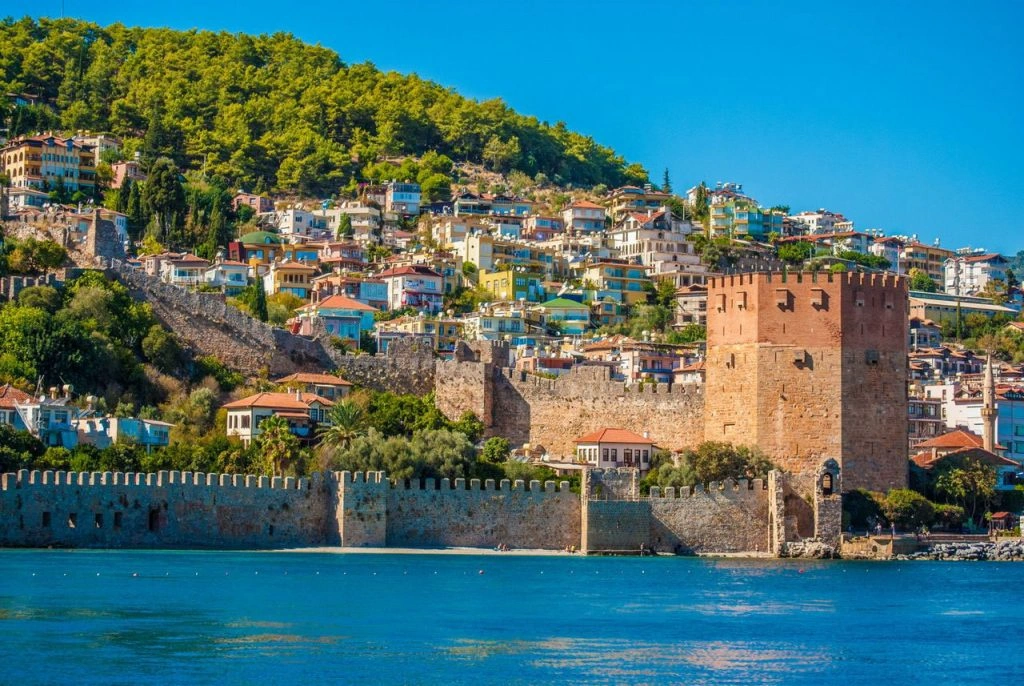
Benefits of buying a property in Turkey
The fact that people from different countries immigrate to Turkey shows the good living conditions in this country.
Some of the advantages of living in Turkey are:
+ Moderate and Mediterranean climate.
+ Easy access to the transportation system.
+ The cost of living is much lower than in European and American countries.
+ Delicious and varied foods.
+ High profit of investment in real estate.
+ Large international airports.
+ Summer and winter recreation.
House prices in Turkey
One of the frequently asked questions about buying property in Turkey is about the price of property in Turkey. The property prices in Turkey depends on various parameters, such as: city, region, year of construction, facilities, being furnished, access to the city center, and area size.
For example, the minimum price of a newly built apartment unit in Alanya is around 60,000 euros. the price of duplex houses with sea view may reach 400,000 euros.
Frequently Asked Questions about Buying Property and Living in Turkey
- Is it profitable to invest in real estate in Turkey?
Turkish real estate market has experienced a lot of growth in recent years. People from different countries such as Germany, England, Russia, Canada, Ukraine, China and Iran are interested in buying property in Turkey for the purposes of investment, immigration and recreation.
The increase in foreign demand for buying property in Turkey is one of the factors that make the Turkish real estate market profitable.
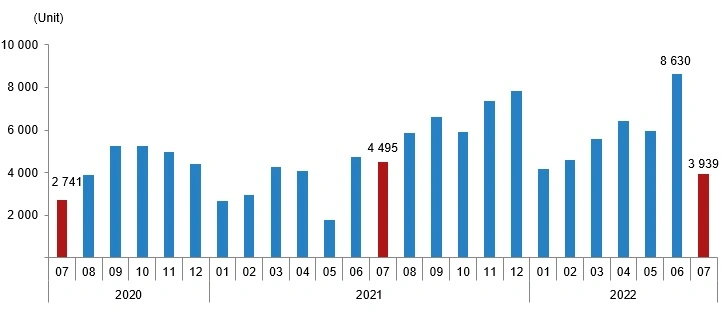
In the graph below, you can see the demand for buying property in Turkey by foreigners in the last two years.
- After I become a Turkish Citizen as an investor, may my spouse and children apply for Turkish citizenship?
Your spouse and children, who are under 18 years old are allowed to apply for Turkish Citizenship based on your investment at the same time with you.
- Do I need to stay in Turkey for a particular amount of time to apply for Turkish Citizenship by Investment?
It is not required to live in Turkey for a certain amount of time before or after getting Turkish Citizenship by Investment.
- Which is the best city to buy property in Turkey?
Istanbul
Even though the capital of Turkey is Ankara, its main economic, financial, educational and touristic hub is Istanbul. Being the largest city in the country, it has not one but two passenger airports.
Alanya
Each year, Alanya becomes a bit more modern and sophisticated. Foreign property buyers are interested first and foremost in Mahmutlar beach district.
- Can foreigners buy property in Turkey ?
Yes, they can buy properties in Turkey.
- Is it a good time to buy property in Turkey ?
Sure, 2025 is the best time for buying a property in Turkey.
- How to buy real estate in Turkey
To buy real estate in Turkey, choose a property, obtain a tax number, open a bank account, sign a sales contract, and finalize the purchase at the Land Registry Office.
[ratemypost]
46 Comments
Paul
on said
If I want to invest in Turkey which city do you suggest to me?
travok
on said
Certainly Alanya because this city is still underdevelopment.
Tom
on said
Alanya is better for investing than Istanbul
Tina
on said
You can think of cities that are not famous still, so Alanya can be an option for you.
Nick
on said
Is Istanbul good for education?
Mia
on said
Yes, it is Istanbul has great schools and universities for education.
Daniel
on said
My son is studying at one of the famous universities of Istanbul, also the expenses for education are not expensive.
Amelia
on said
Does anyone know if it’s difficult to figure out how to buy property in Turkey as a foreigner? I’m concerned about language barriers and legal processes.
Alexander
on said
You can ask Travok’s experts they can help you
Charlotte
on said
Not at all! The process of how to buy property in Turkey is designed to be straightforward for foreigners. Many real estate agents and developers have English-speaking staff to assist you. Plus, Turkish laws are transparent for property transactions.
Hallie
on said
Can foreigners buy property in Turkey real estate?
Beckett
on said
Foreigners can buy property in Turkey real estate with minimal restrictions. As long as the property isn’t in a military zone, the process is straightforward, and there are plenty of great options for foreign buyers.
Rose
on said
Sure they can, also foreigners can get Turkish citizenship
Alex
on said
Any tips for first-time buyers from a real estate in Turkey for foreigners?
Tyler
on said
One challenge in real estate in Turkey for foreigners is the language barrier.
Justin
on said
Make sure to check the title deed (Tapu) carefully to avoid any legal issues.
Aurora
on said
Is buying an apartment in Turkey a good investment for foreigners?
Isla
on said
Yes, buying an apartment in Turkey is a great investment, especially in cities like Istanbul and Alanya!
Alira
on said
It depends on your budget and goals, but many foreigners find it profitable.
Gry
on said
I’m seriously thinking about buying property in Turkey, but I keep hearing there can be unexpected issues along the way. For those of you who’ve done it, what were the biggest surprises or challenges you faced?
Alex
on said
I had no idea that some properties come with unpaid bills or debts from the previous owner. When buying property in Turkey, definitely double-check that everything’s cleared before finalizing the deal.
Sofia
on said
I went through the process last year. Honestly, the hardest part of buying property in Turkey was navigating the paperwork. A lot of it wasn’t in English, and without a good translator or lawyer, it can get confusing fast.
Sarah
on said
What should I know before looking at a property for sale in Turkey?
Caspian
on said
Make sure the property for sale in Turkey has a clean title deed.
Ted
on said
Always check the location and legal status of the property for sale in Turkey.
Edward
on said
Has anyone recently bought a property for sale in Turkey? I’m curious about the process and if it’s worth it long-term.
Archie
on said
There’s a lot of variety when it comes to property for sale in Turkey, from city apartments to seaside villas.
Florence
on said
Make sure to check legal documents carefully. The property for sale in Turkey market is great but requires due diligence.
Ella
on said
Is anyone following the current trends for property for sale in Turkey? I’m trying to figure out if it’s the right moment to invest or if I should wait a bit.
Isabella
on said
Honestly, prices are rising, but property for sale in Turkey is still way more affordable than most of Europe.
Charlotte
on said
I’ve been looking too, property for sale in Turkey still has some great deals, especially in coastal cities.
Ingrid
on said
I’ve been searching for the best property for sale in Turkey, but I’m overwhelmed by the options. Which cities would you recommend for investment?
Paul
on said
I think Istanbul is still the top spot when it comes to property for sale in Turkey, especially if you want long-term value growth.
Harry
on said
If you’re looking at property for sale in Turkey, Alanya and Antalya are great choices, affordable prices and strong rental demand.
Valdemar
on said
What should buyers know before investing in real estate in Turkey for foreigners?
Johnson
on said
Foreigners can buy property almost anywhere in Turkey, except in military zones. Popular cities like Istanbul, Antalya, and Alanya are the top picks. The process is straightforward and supported by clear legal guidelines.
Miller
on said
It’s also important to work with trusted agencies and lawyers. This ensures all paperwork is correct, title deeds are clean, and you avoid the risks that sometimes happen when buying abroad.
Thomas
on said
Why is property for sale in Turkey attracting so many international buyers right now?
Rodriguez
on said
Property for sale in Turkey is popular because of the affordable prices compared to Europe, while still offering a Mediterranean lifestyle.
Martinez
on said
Property for sale in Turkey gives investors a mix of modern apartments, luxury villas, and seaside homes, making it suitable for every budget and lifestyle.
Harris
on said
what are the main things that influence property prices across Turkey? Is it the city, sea view, or proximity to tourist areas?
Jackson
on said
Prices in Turkey mostly depend on location, coastal cities like Alanya, Antalya, and Istanbul are usually higher because of tourism and demand
White
on said
Yes, and don’t forget about the project quality and nearby facilities! Modern complexes with pools, security, and good infrastructure always have higher value
Maria
on said
What are the main advantages and challenges for international buyers entering the Turkish property market?
Sanne
on said
Real estate in Turkey for foreigners is attractive because of affordable prices, residency options, and high rental potential in major cities.
Linda
on said
The key challenge is understanding legal procedures, so working with a professional consultant makes the process much easier and safer.